Guides & Advice
Guides & Advice
Independent guides on Australian migration, study, home loans and the NDIS. No sponsored content. No advertisements.
How Financial Advisers Are Paid in Australia — and Why It Matters
Fees, commissions, asset-based charges: the way an adviser is paid tells you whose interests the advice really serves. Here is how each model works in 2026, in plain English.
All articles
50 articlesIndependent vs Aligned Financial Advice: What the Difference Really Means
"Independent" is a legally protected word in Australian financial advice. Here is what it actually requires, how aligned advice differs, and why it changes the advice you get.
10 Questions to Ask a Financial Adviser Before You Hire One
The right questions — on licensing, independence, fees and what happens next — separate a good adviser from an expensive mistake. Here are ten to ask before you sign anything.

How to Choose a Migration Agent in Adelaide (2026)
All of South Australia counts as regional, and the state runs some of the country's most accessible nomination and DAMA pathways. How to check a migration agent's MARA registration and compare Adelaide agents who actually know them.

How to Choose a Migration Agent in Canberra (2026)
The ACT runs its own points-based Canberra Matrix for state nomination — a system that rewards local ties and catches out applicants who don't understand it. How to check a Canberra migration agent's MARA registration and compare agents who know the Matrix.

How to Choose a Migration Agent in Darwin (2026)
The Northern Territory's DAMA opens occupations and concessions found almost nowhere else — but only a well-briefed agent will know if you qualify. How to check a Darwin migration agent's MARA registration and compare your options.

How to Choose a Migration Agent in Perth (2026)
Perth's regional-area status and WA's state nomination make it one of the more strategic places to plan a skilled visa — if your agent knows the local pathways. How to verify a MARA registration and compare Perth agents before you pay.

How to Choose a Migration Agent on the Gold Coast (2026)
Not every "agent" is registered, and not every registered agent is right for your visa. A practical guide to checking a MARA registration, comparing Gold Coast agents, and avoiding the traps — before you pay anyone.

How Mortgage Broker Commission Works — and Whether You Pay Anything
Most mortgage brokers cost you nothing — the lender pays them. Here's how upfront and trail commission works, what clawback means, and why "free" doesn't have to mean biased.

How to Choose a Mortgage Broker: 10 Questions to Ask Before You Sign
A good broker can save you thousands; the wrong one costs you the same. These ten questions separate the two — on money, panel, licensing and what happens after settlement.

Partner Visa (820/801): Do You Need a Migration Agent, and What Does It Cost?
The partner visa is one application, one fee and two stages — and one of the most document-heavy visas Australia issues. Here's what it costs, how long it takes, and when an agent earns their fee.

Skilled Visa Points: How Many You Need for a 189 or 190 Invitation
Sixty-five points lets you submit — but it won't get you invited. Here's the score that actually matters in 2026, the difference between the 189 and 190, and how to close a points gap.

Employer-Sponsored Visas Explained: 482 (Skills in Demand), 186 and 494
If an Australian employer wants to sponsor you, three visas do most of the work. Here's how the 482 Skills in Demand, the permanent 186, and the regional 494 fit together in 2026.

Licensed Conveyancer vs Solicitor: Which Do You Need?
Both can handle your property settlement, but they are not the same — and in two states you do not get a choice. Here is how to decide.
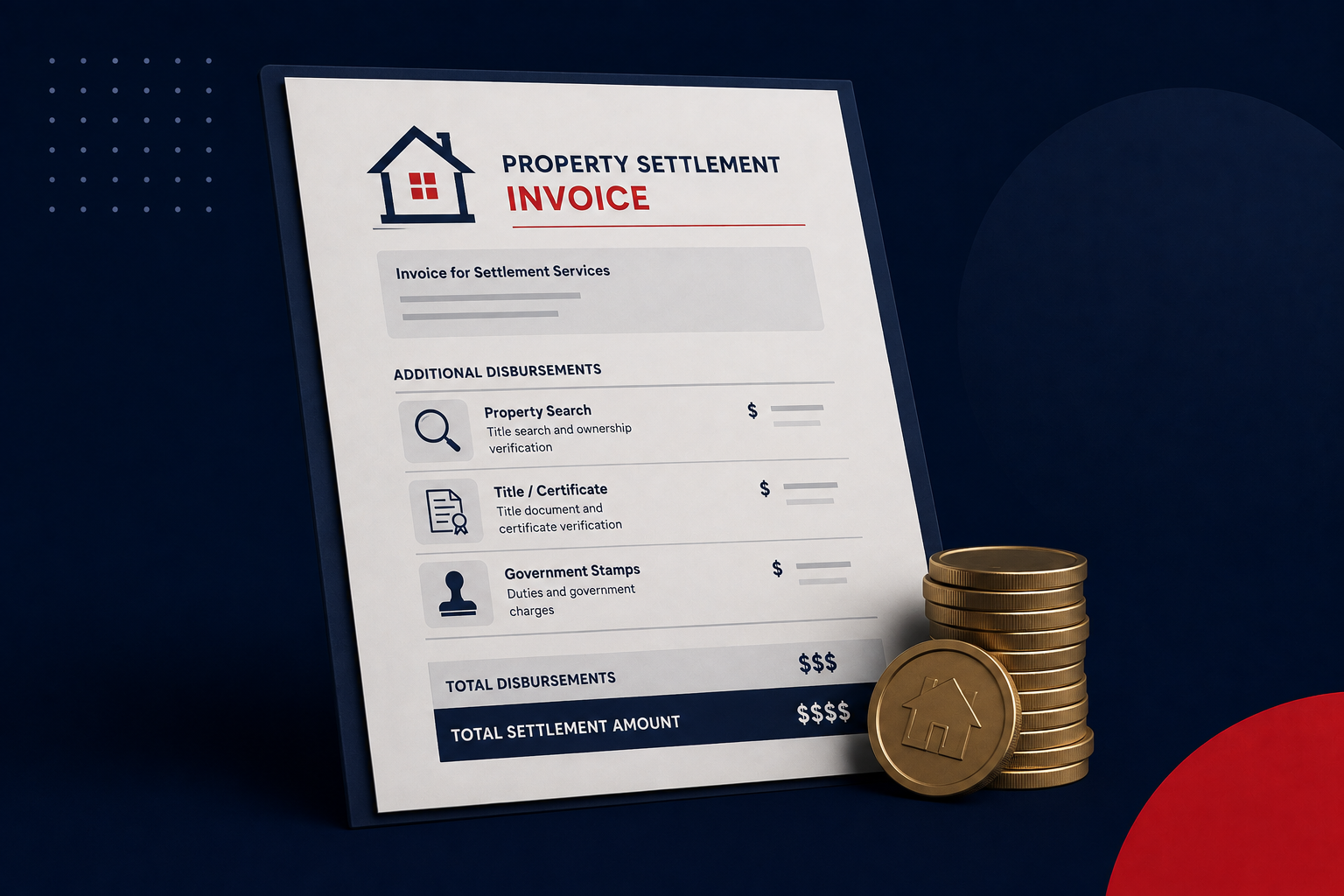
What a Conveyancing Quote Leaves Out: Disbursements Explained
The professional fee is the smallest part of settling a property. Here is what sits on top — and why a cheap quote is not always cheap.

Conveyancing in Queensland and the ACT: Why You Need a Property Lawyer
Unlike the rest of Australia, Queensland and the ACT have no licensed conveyancers. Here is what that means for buying or selling there.

Fixed-Fee vs Hourly Conveyancing: What You Actually Pay
Most conveyancers quote a fixed fee — and for a standard settlement, that is what you want. Here is how the models differ and what to ask.
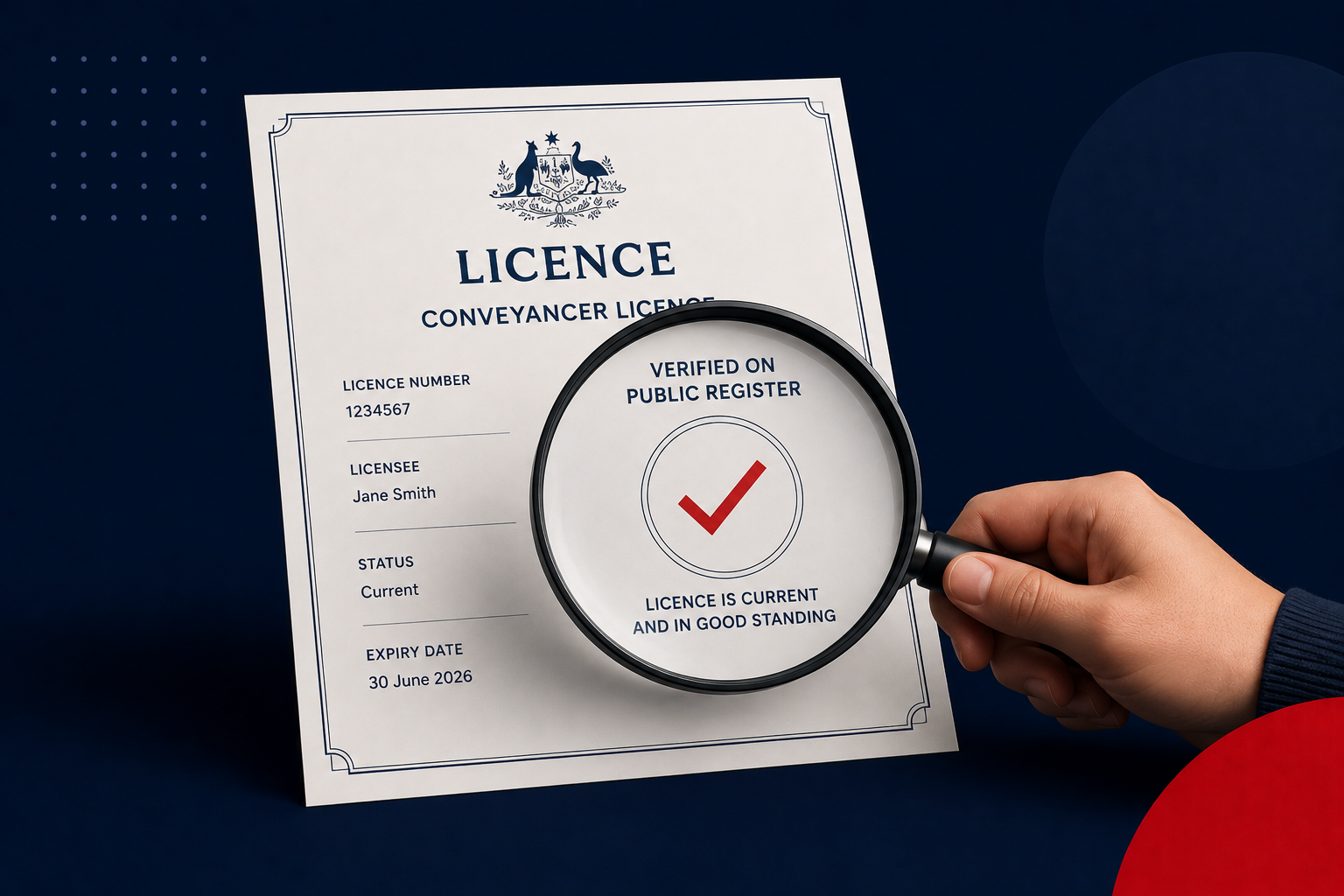
How to Check a Conveyancer Is Licensed in Your State
It takes two minutes on a government register — and it is the single best check you can do before handing over your biggest transaction.

Understanding Your NDIS Plan Budgets: Core, Capacity Building and Capital
Your NDIS funding isn't one pot — it's split into budgets with different rules about how you can spend and move money. Here's what each one is for.

How to Prepare for Your NDIS Planning Meeting
The planning meeting shapes your whole NDIS plan — and preparation makes the difference between funding that fits and funding that falls short. Here's how to get ready.
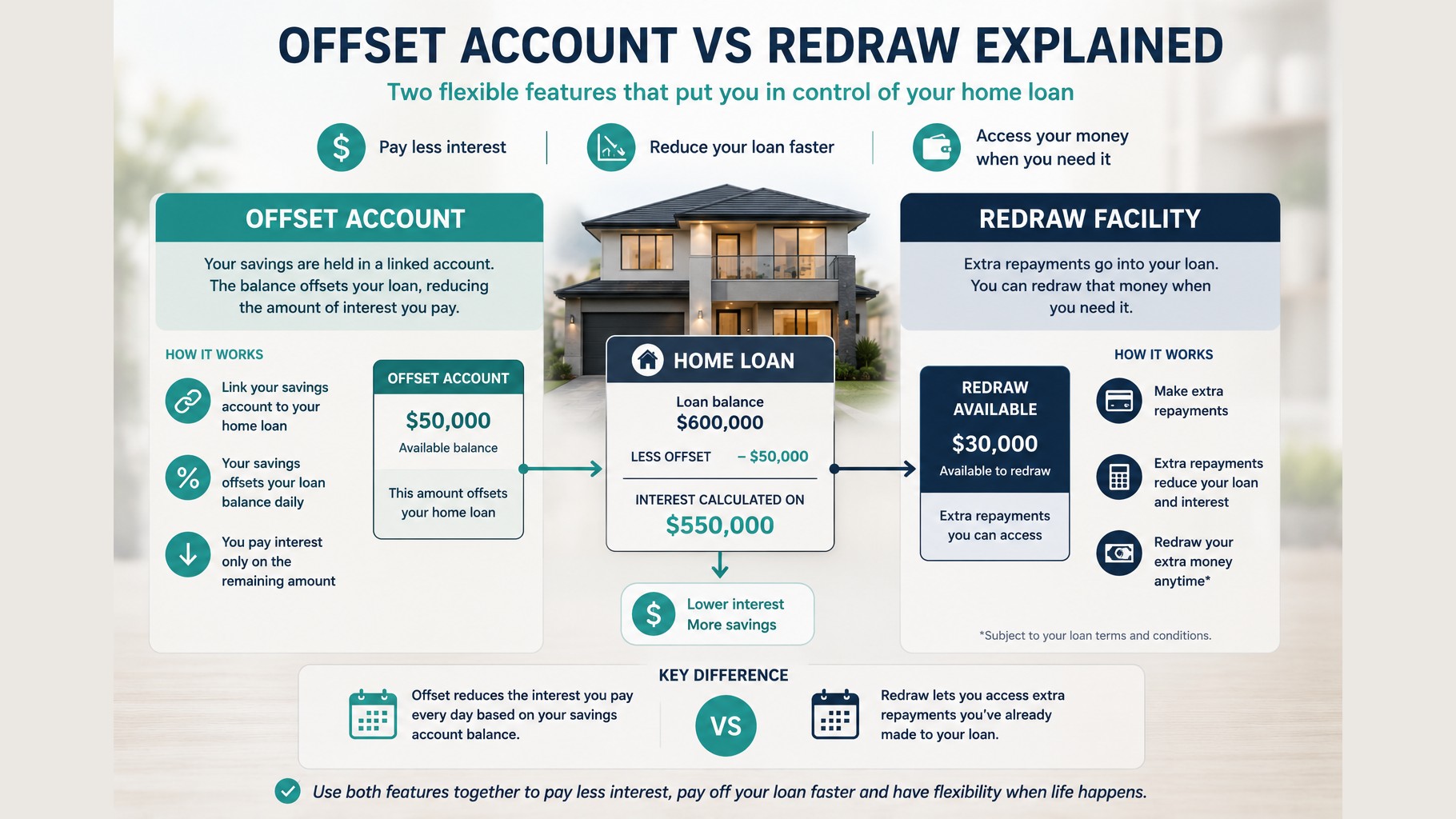
Offset Account vs Redraw: What's the Difference (and Which Should You Use)?
Both cut the interest on your home loan by putting your spare cash to work — but they behave differently on access, tax and fees. Here's how to tell them apart.

Lenders Mortgage Insurance (LMI): What It Is and How to Avoid It
LMI can add thousands to a home purchase — and it protects the lender, not you. Here's what it is, why it exists, and the legitimate ways to reduce or avoid it.

Off-Market Properties: What They Are and How Buyer's Agents Access Them
Some of the best properties never hit realestate.com.au. Here's what "off-market" really means, why sellers use it, and how buyer's agents get you in early.

Buyer's Agent vs Selling Agent: Who Actually Works for Whom?
They're both "real estate agents" — but they're on opposite sides of your purchase. Understanding who each one represents changes how you deal with them.

The Study Abroad Checklist: Everything to Sort Before You Fly
Studying overseas is a hundred small tasks strung across a year. Here's the whole thing as a timeline — what to do 12 months out, right down to your first week.

Can You Change Your Education Consultant Mid-Application?
Unhappy with your agent, or found a better one? You're not locked in. Here's how to switch education consultants cleanly — and the one thing to sort first.

IELTS Speaking: How to Actually Reach Band 7
Band 7 in speaking isn't about big words or a perfect accent. Here's what examiners really reward — and the habits that quietly cap students at 6.5.

IELTS Writing Task 2: How to Hit Band 7
Task 2 is where most IELTS scores are won or lost. Here's what examiners reward, a structure that works, and the band-6 traps that catch strong writers.

Is the Duolingo English Test Accepted for Australian Study?
The Duolingo English Test is cheaper, faster and taken at home — which is exactly why students ask if it counts. The honest answer: it depends. Here's how to check.

The Real Cost of Studying in Australia (and How It Compares)
Tuition is only the headline. Here's what actually makes up the cost of studying in Australia, where the hidden money goes, and how the country stacks up.

English Test Exemptions for the Australian Student Visa
Not everyone has to sit IELTS or PTE for a student visa. Here are the main ways you might be exempt from the English test — and why you should confirm before you assume.

How to Explain a Study Gap on Your Australian Student Visa Application
A gap in your studies isn't a dealbreaker — but leaving it unexplained can be. Here's how to address a study gap honestly and convincingly.

Extending Your Australian Student Visa: What You Need to Know
Course running longer than your visa, or moving on to further study? You can't "extend" a student visa — you apply for a new one. Here's how it works.

The Australian Student Visa Document Checklist
A student visa comes together document by document. Here's the core checklist — and the theme that ties it together: consistency.

Australian University Intakes: February, July and Beyond
Australia's academic year runs on two main intakes, with some extras. Knowing them — and planning backwards from your start date — is half of getting in on time.

IELTS Academic vs General Training: Which One Do You Need?
Sit the wrong IELTS module and it may not count for your purpose. Here's the difference between Academic and General Training — and which one Australia wants from you.

Education Consultant vs Migration Agent: What's the Difference?
They sound similar and their work overlaps — but they're different jobs, with a legal line between them. Here's who does what, and when you need one, the other, or both.

Common Mistakes International Students Make in Australia (and How to Avoid Them)
From blowing the budget to breaching work-hour limits, the same avoidable mistakes catch international students every year. Here are the big ones — and how to stay clear.

Finding Accommodation as an International Student in Australia
On-campus, sharehouse or homestay — where you live shapes your budget and your first months. Here's a plain guide to the options, the costs, and the rental scams to dodge.

Changing Your Course or College as an International Student in Australia
Chose the wrong course, or want to switch providers? You can — but there are rules, and getting them wrong can affect your visa. Here's how it actually works.

How to Write a Statement of Purpose (SOP) That Actually Works
Your SOP is where a strong application is won or lost. Here's what it needs to prove, a structure that works, and the mistakes that get applications set aside.

Education Consultancy Scams: The Warning Signs to Watch For
Every year, students lose money and visas to dishonest agents. The scams follow patterns — here are the red flags, and how to protect yourself before you pay anyone.
The Temporary Graduate Visa (Subclass 485): Your Options After Study
Finished studying in Australia and want to stay and work? The 485 is the bridge. Here's what it is, the main streams, and how it fits into a longer-term plan.

Australian Student Visa Refusals: The Top Reasons — and How to Avoid Them
Most student visa refusals come down to a handful of avoidable issues. Here are the big ones and how to keep your application out of the reject pile.

Overseas Student Health Cover (OSHC): What It Is and Why You Can't Skip It
OSHC is compulsory for your student visa — here's what it covers, how to choose a policy, and the mistakes that leave students underinsured.

How to Prove You Have Enough Money for an Australian Student Visa
"Show funds" is where many student visas come unstuck. Here's what financial capacity means, what evidence actually works, and the traps that cause refusals.
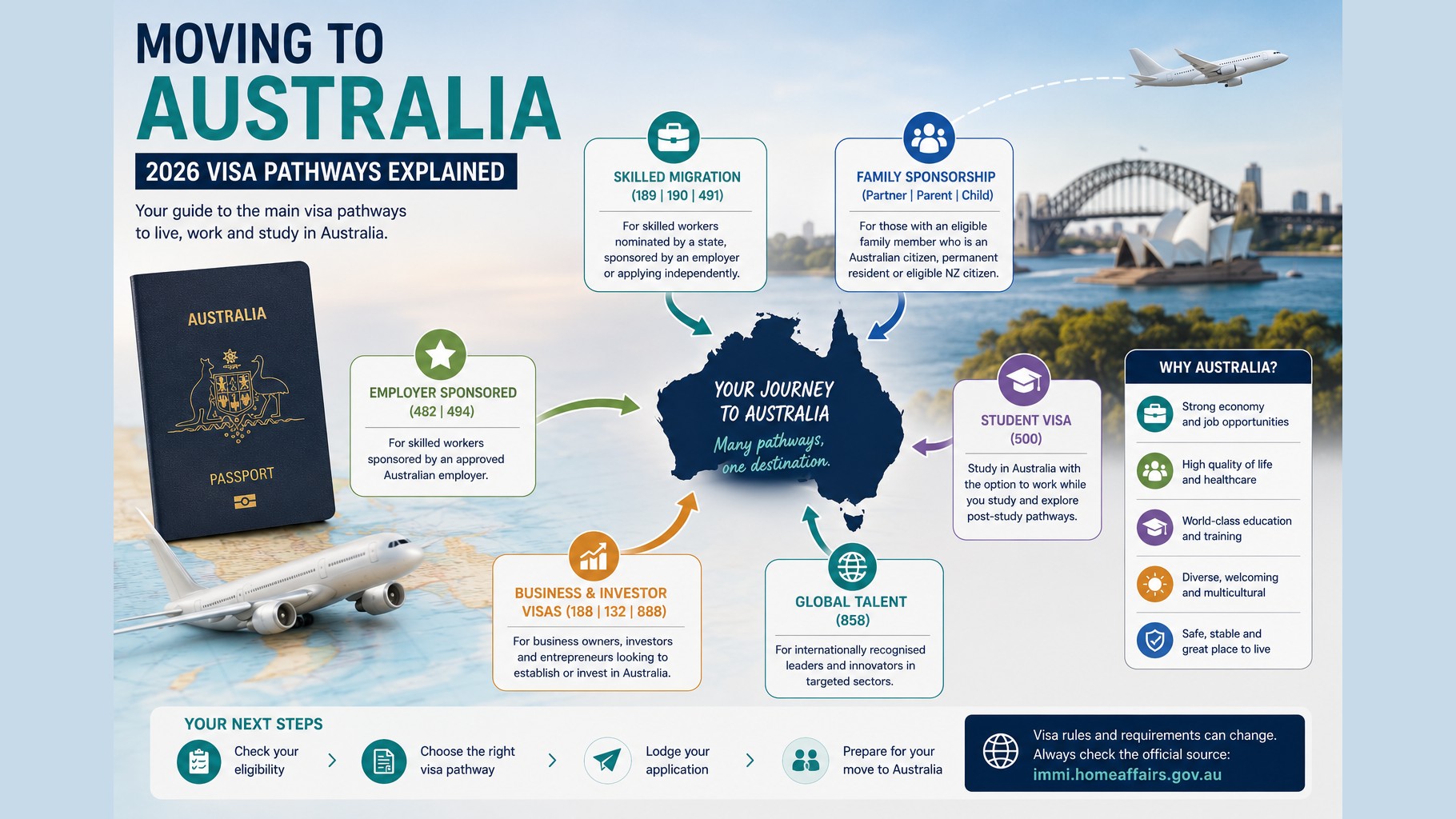
Moving to Australia in 2026: The Main Visa Pathways, Explained Simply
Skilled, employer-sponsored, family, student — Australia's visa system can look like alphabet soup. Here's a plain-English map of the main pathways and how to work out which one fits you.

The First-Home Buyer's Roadmap: From Deposit to Keys
Buying your first home is a series of steps, not one giant leap. Here's the whole journey — deposit, pre-approval, searching, offer, settlement — in plain order, with the traps to avoid at each stage.
Studying in Australia: A First-Timer's Guide for International Students
Choosing a course, applying, the student visa, and landing on your feet — the international-student journey in one clear guide, including the questions most students forget to ask.

How to Actually Compare Two Agents (Beyond the Star Rating)
A 4.8 and a 4.9 tell you almost nothing on their own. Here's the method for comparing two agents, advisors or brokers on the things that actually predict a good outcome.